


-

Add: HeBei ShengShi HongBang Cellulose Technology CO.,LTD.
-

Email
13180486930@163.com -

CONTACT US
+86 13180486930



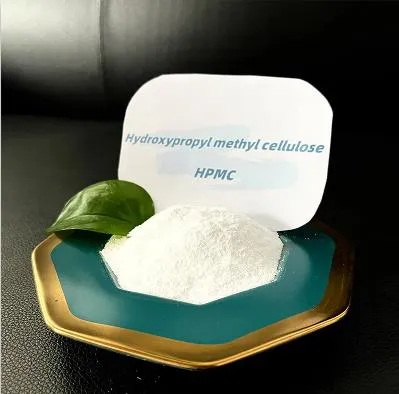
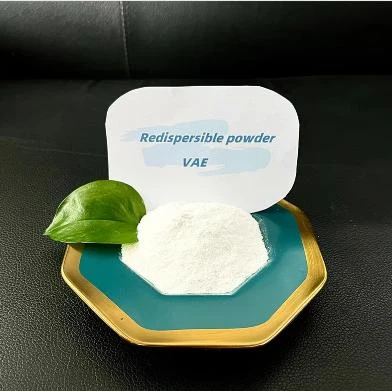


Understanding the Price of Dispersible Polymer Powder Trends and Implications The global market for dispersible polymer powders has seen significant growth over the past few years, driven by various factors including advancements in technology, evolving consumer preferences, and increasing applications across different industries. Dispersible polymer powders are widely used in construction, paints, coatings, adhesives, and even in the cosmetic industry due to their excellent binding properties and ability to create stable emulsions. Understanding the price dynamics of these products is essential for manufacturers, suppliers, and consumers alike. What Are Dispersible Polymer Powders? Dispersible polymer powders are dry powders that can be easily re-dispersed in water to form stable dispersions. They are primarily used to enhance the performance of various formulations in the construction sector, particularly in tile adhesives, mortars, and other construction materials. These polymers improve adhesion, flexibility, and water resistance, making them a vital component in modern construction projects. Factors Influencing the Price of Dispersible Polymer Powder 1. Raw Material Costs The price of dispersible polymer powders is significantly influenced by the cost of raw materials. As oil prices fluctuate, the cost of petroleum-based raw materials can impact production costs for polymer manufacturers. Additionally, the availability of renewable raw materials can also play a crucial role in price determination. . 3. Market Demand The demand for dispersible polymer powders is on the rise due to the increasing construction activities and the growing reliance on high-performance materials. This demand pushes prices upward, especially in regions experiencing rapid urban development. سعر مسحوق البوليمر القابل للتشتت 4. Global Supply Chain Issues Recent global events have highlighted the fragility of supply chains. Disruptions caused by the COVID-19 pandemic, geopolitical tensions, or natural disasters can lead to shortages of raw materials, subsequently increasing prices. These supply chain complexities necessitate careful monitoring and strategic planning by companies involved in the market. 5. Sustainability Trends With an increasing emphasis on sustainability, many companies are investing in producing eco-friendly dispersible polymer powders. While these green alternatives may initially have higher production costs, the long-term benefits and rising consumer demand for sustainable products may justify the higher price point. Current Market Trends As of 2023, the dispersible polymer powder market has experienced moderate growth. Market analysts predict that this trend will continue as developing economies focus on infrastructure development and renovation projects. Moreover, there is a noticeable shift towards higher performance and specialty dispersible polymers, catering to specific applications, which may come at a premium price. Conclusion Understanding the pricing of dispersible polymer powders is crucial for stakeholders across the industry. The interplay of raw material costs, technological advancements, market demand, supply chain dynamics, and sustainability trends shapes the landscape of this market. As the global economy moves forward, it will be important for manufacturers and consumers to remain agile and adapt to these changing trends. For businesses involved in the production or application of dispersible polymer powders, keeping abreast of market trends and pricing dynamics will not only ensure competitiveness but also allow for better strategic planning and investment decisions. Moreover, as sustainability becomes a focal point in various industries, those who invest wisely in eco-friendly alternatives may not only help the environment but also capture a growing segment of environmentally conscious customers.
- 40000tons

Production
- 20+years

Experience
- 5000+㎡

Acreage

-

Polymer powder is a key ingredient in many industries, providing critical properties to products in construction, adhesives, coatings, and more. With its wide range of applications, polymer powder enhances the performance, durability, and flexibility of finished products. Available in various forms, polymer powder s can be tailored to meet the specific needs of different applications, making them a versatile choice for manufacturers worldwide. Whether you're working in construction, paints, or textiles, polymer powder offers the ideal solution for improving your products’ functionality. Explore Our Range of Colored Polymer Powder If you need vibrant, long-lasting colors in your products, colored polymer powder is the way to go. Whether you're producing construction materials, decorative coatings, or consumer goods, colored polymer powder offers an efficient way to introduce rich, stable colors into your products. Our premium colored polymer powder is designed to maintain its brightness and consistency, ensuring your products stand out. With a wide selection of shades, you can achieve the exact color you need while maintaining high quality and performance. The Benefits of Redispersible Polymer Powder Redispersible polymer powder is a game-changer in many industrial applications. Unlike traditional resins, redispersible polymer powder can be re-dispersed in water to create a solution, which offers greater convenience and efficiency for various processes. Widely used in adhesives, tile grout, and plaster, redispersible polymer powder enhances bonding strength, flexibility, and durability. This type of polymer powder is particularly valued in the construction and building materials sectors, providing superior performance while reducing transportation and storage costs. Discover the many benefits of using redispersible polymer powder in your formulations today. What Influences Polymer Powder Price? When considering polymer powder price , it’s important to understand the factors that affect the cost. The polymer powder price can vary depending on the type of polymer used, the quantity purchased, and the specific application for which the powder is intended. High-performance polymer powder may be priced higher due to its specialized formulations, while larger orders typically reduce the cost per unit. Additionally, polymer powder price can also depend on the presence of additives, colorants, and whether the polymer powder is customized for particular applications. To ensure you're getting the best value for your needs, always consider both the performance and the cost-effectiveness of the polymer powder price . Why Choose Our Polymer Powders for Your Business? Our polymer powder products are crafted with the highest standards of quality and performance, ensuring that your manufacturing processes run smoothly. From colored polymer powder to redispersible polymer powder , we offer a comprehensive selection that suits a wide variety of industries. Our polymer powder solutions are designed to enhance the quality of your final products, increase production efficiency, and offer cost-effective solutions for your business. With competitive polymer powder price s, we guarantee the best value for your investment. Whether you need a specialized formula or a standard polymer powder , our products are the perfect addition to your production line. Polymer Powders FAQs What is polymer powder? Polymer powder is a fine, dry material made from polymers, typically used in various industrial applications to improve the properties of products like adhesives, coatings, and construction materials. It is valued for its ability to enhance flexibility, strength, and durability in the final product. Polymer powder can come in different types, such as colored polymer powder or redispersible polymer powder , each serving specific functions depending on the industry. What is colored polymer powder used for? Colored polymer powder is primarily used to add vibrant colors to products such as construction materials, coatings, and consumer goods. The color pigments are stable and long-lasting, ensuring that the final product maintains its color over time, even under challenging conditions. It’s ideal for applications where both color and performance are important, making it perfect for industries like construction, automotive, and packaging. What is redispersible polymer powder and how is it used? Redispersible polymer powder is a special type of polymer powder that can be re-dispersed in water, forming a solution that can be easily applied in a variety of industrial processes. It’s commonly used in adhesives, tile grouts, and plaster, where it improves bonding strength, flexibility, and water resistance. The ability to re-dispense the polymer powder in water makes it a more convenient and cost-effective solution for many manufacturing processes. How does the polymer powder price vary? The polymer powder price depends on several factors, including the type of polymer used, the quantity purchased, and whether any special additives or colors are involved. Specialty redispersible polymer powder sand colored polymer powder s often come at a higher price due to their advanced formulations. Additionally, larger volume purchases can reduce the polymer powder price per unit, offering better cost-effectiveness for bulk orders. Why should I choose your polymer powders? Our polymer powder sare craftedto meet the highest standards of quality, ensuring that your products perform at their best. We offer a wide selection of colored polymer powder s and redispersible polymer powder s, all designed to enhance the durability, flexibility, and performance of your products. Our polymer powder price is competitive, offering you the best value for your investment. Whether you’re in construction, coatings, or any other industry, we have the perfect polymer powder solution for you.
-

Understanding Anionic Polyelectrolyte Powder Properties, Applications, and Benefits Polyelectrolytes have emerged as significant materials in various industrial and environmental applications due to their unique properties. Among them, anionic polyelectrolyte powders are particularly notable for their ability to effectively interact with oppositely charged substances, making them invaluable in numerous formulations and processes. This article aims to explore the properties, applications, and benefits of anionic polyelectrolyte powder in detail. What is Anionic Polyelectrolyte Powder? Anionic polyelectrolyte powders are long-chain molecules that carry a negative charge when dissolved in water. These macromolecules are formed by the polymerization of monomers that contain sulfonate, carboxylate, or phosphate groups, which generate the anionic character. The negative charge allows these polyelectrolytes to attract and bind positively charged ions and particles, providing them with unique functionalities that are harnessed in various fields. Properties of Anionic Polyelectrolyte Powder 1. High Solubility Anionic polyelectrolytes are highly soluble in water, forming viscous solutions that are essential for many applications. 2. Charge Density The degree of anionic charge on the polymer can be adjusted during synthesis, allowing for customized properties to suit specific applications. 3. Thickening and Gelling Agent When added to solutions, anionic polyelectrolytes can significantly increase viscosity, acting as effective thickening agents. 4. Stability Across pH Anionic polyelectrolyte powders demonstrate stability over a broad pH range, making them versatile for use in various environments. 5. Biodegradability Many anionic polyelectrolytes are derived from natural sources, which often makes them biodegradable and environmentally friendly alternatives to synthetic chemicals. Applications of Anionic Polyelectrolyte Powder polyelectrolyte anionic powder 1. Water Treatment One of the most prominent applications of anionic polyelectrolytes is in water treatment plants, where they are used as flocculants to enhance the removal of suspended solids and pollutants. By neutralizing the charge of particles and promoting aggregation, they facilitate the sedimentation process, leading to cleaner water. 2. Paper and Pulp Industry Anionic polyelectrolytes are used in the paper manufacturing process to improve drainage, enhance retention, and increase the strength of paper products. 3. Cosmetics and Personal Care In the cosmetics industry, anionic polyelectrolytes serve as thickening and stabilizing agents in creams, lotions, and shampoos. They help enhance product performance while ensuring a pleasant texture. 4. Agriculture These compounds are also increasingly utilized in agriculture as soil conditioners and in controlled-release fertilizers. They improve soil structure and water retention while facilitating nutrient uptake by plants. 5. Oil Recovery In enhanced oil recovery techniques, anionic polyelectrolytes are employed to reduce interfacial tension and improve the flow of oil, thus increasing the efficiency of oil extraction processes. Benefits of Using Anionic Polyelectrolyte Powder - Cost-Effectiveness The use of anionic polyelectrolytes in various processes can lead to significant cost savings by improving efficiency and reducing material waste. - Environmental Safety As many anionic polyelectrolytes are derived from natural sources, they pose minimal environmental impact compared to their synthetic counterparts. - Customizability The ability to tune the charge density and molecular weight of anionic polyelectrolytes allows for custom formulations tailored to specific industrial needs. In conclusion, anionic polyelectrolyte powder serves as a multifunctional tool across industries, with applications ranging from water treatment to agriculture and cosmetics. Their unique properties, such as high solubility, charge density, and biodegradability, make them essential in promoting efficiency and sustainability. As industries continue to prioritize eco-friendly and effective materials, anionic polyelectrolytes will likely play an increasingly prominent role in the future of technological and environmental advancements.
advantages
-

200000 Viscosities
Excellent product
We can produce pure products up to 200,000 viscosities
-

40000 tons
High yield
We don’t stop production all year round, and the annual output can reach 40,000 tons
-

24 hours
Quality service
We provide 24-hours online reception service, welcome to consult at any time
———— Inquiry Form
Schedule A services
-
 hpmc_e5lv
Oct . 25, 2025
Macro fibers concrete has emerged as a revolutionary material in the construction industry, renowned -
 powder_coating_rubber
Oct . 25, 2025
Company Overview HeBei ShengShi HongBang Cellulose Technology CO.,LTD. Visit Official Website Tel: + - polipropilen_yang_diperkuat_fiberglass
Oct . 25, 2025
When exploring the landscape of construction materials, HPMC Limited emerges as a pivotal player, re


